Why would a company with Coinbase’s legal budget agree to switch off a product rather than argue for it in court? That’s the question worth sitting with, because the answer explains the whole story. The Coinbase sports betting halt in Michigan isn’t a crypto story at all. It’s a licensing story, and the platforms on the wrong side of it are quietly concluding the fight isn’t worth the exposure.
What Coinbase actually agreed to
The Michigan Gaming Control Board announced that Coinbase Financial Markets has agreed to stop offering new sports-related event contracts to Michigan customers as of October 10, and to close out any remaining open customer positions by that same deadline. The agreement was negotiated between the state and the company and set down in a stipulation, not imposed after a trial.
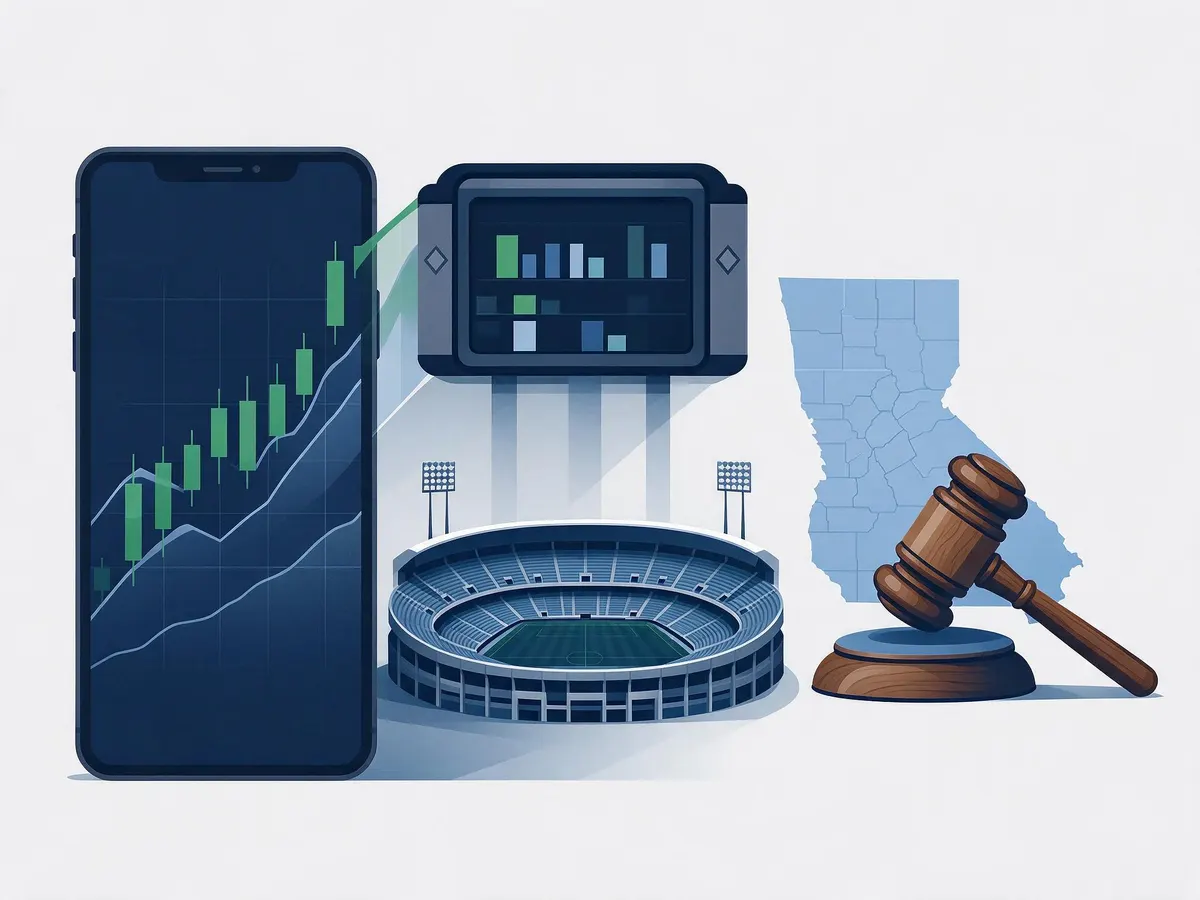
Two details in the terms matter more than the headline. First, the halt covers sports-related event contracts traded on KalshiEX and other designated contract markets, which tells you Coinbase was acting as the front end rather than the exchange. Second, it’s a wind-down, not just a freeze on new business: open positions go too, by the deadline.
And it is a state-level halt. Michigan customers lose access to the product. Nothing in the agreement switches it off nationally, which is exactly why this is attrition rather than a verdict.
Michigan has now done this three times
The Coinbase deal is the third move in a pattern the MGCB has run through the year against platforms offering what the board characterises as sports wagering dressed up as federally regulated prediction markets.
| Platform | Role in the product | Michigan outcome |
|---|---|---|
| Coinbase Financial Markets | Distributed sports event contracts traded on KalshiEX and other designated contract markets | Stipulated agreement: no new sports event contracts and open positions closed by October 10 |
| Robinhood Derivatives, LLC | Brokerage front end for event contracts | Nearly identical agreement reached shortly before the Coinbase deal |
| KalshiEX LLC | Exchange listing the contracts | State-court preliminary injunction obtained by Michigan |
MGCB Executive Director Henry Williams framed the Coinbase agreement in plain terms: “Coinbase joining Robinhood and Kalshi in stepping back from these unlicensed sports contracts underscores Michigan’s commitment to enforcing its gaming laws. Operators are halting these activities because they face significant legal consequences for continuing to offer them in our state.”
Read the sequence rather than the quote. Michigan litigated against the exchange and settled with the distributors. That’s a sensible enforcement strategy, because the distributors are the ones with retail brands, banking relationships and other regulated businesses to protect. Their cost of fighting is high and their upside from sports contracts is comparatively small.
The thesis: the on-ramp is the soft target
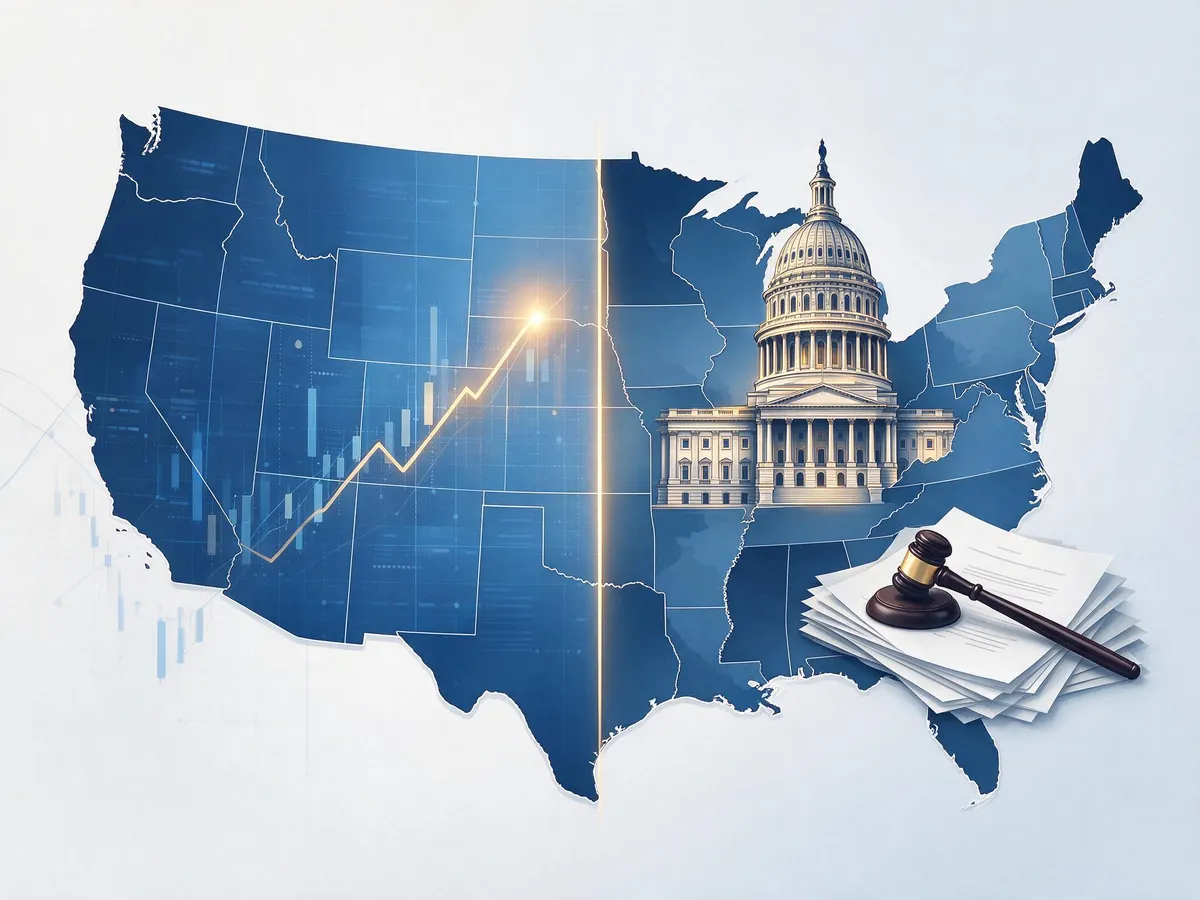
The legal argument behind sports prediction markets is that event contracts listed on a CFTC-designated contract market sit under federal commodities law, which preempts state gaming statutes. State regulators counter that a contract whose payout depends on the outcome of a game is sports wagering, and sports wagering in their jurisdiction requires a state licence.
That dispute is unresolved, and nothing in Michigan’s deal with Coinbase resolves it. A stipulation is not a precedent. What it does establish is a commercial reality: the companies routing retail orders into these markets would rather withdraw from a state than test the question. Regulators have worked out that they don’t need to win the preemption argument outright if they can strip the product of its distribution one platform at a time.
For anyone tracking crypto gambling regulation, that’s the structural lesson. The pressure point isn’t the smart contract, the token or the exchange’s federal designation. It’s the consumer-facing app, and specifically a consumer-facing app that also holds licences and registrations it cannot afford to put at risk.
Why a crypto platform was in this business at all
Coinbase’s move into event contracts fits a pattern across fintech: broaden the app beyond buying and selling assets, add products that trade frequently, keep users in the session. Sports contracts are close to ideal for that, because they settle fast, they’re easy to understand and they generate activity on a weekly schedule.
The friction is that the product looks like betting to anyone who regulates betting. Licensed sportsbooks in Michigan pay for a licence, submit to state oversight, feed state problem-gambling funding and plug into responsible gambling infrastructure. An event contract on the same game, sold through a brokerage interface, carries none of that. Whatever you think of the preemption argument, the asymmetry is real, and it’s the asymmetry regulators keep pointing at.
That gap is worth naming clearly, because it affects users rather than lawyers. Products sold as derivatives generally sit outside state self-exclusion registries, deposit and loss limit tools, and the responsible gambling frameworks licensed operators must offer. If you trade sports outcomes inside a brokerage app, the guardrails you would find in a licensed sportsbook mostly aren’t there. Anyone taking positions on sport, under either label, is better off setting their own spending and time limits and treating it as money they can lose.
What changes in practice
For Michigan customers, the practical effect is narrow and immediate: no new sports event contracts through Coinbase, and existing positions closed out by the deadline rather than left to run to settlement. The product simply disappears from the menu in that state.
For the wider market, three things follow:
- Geographic patchwork. Sports event contracts are becoming a state-by-state product, available where no regulator has moved and absent where one has. That’s an awkward position for a national app.
- Compliance over confrontation. Coinbase’s choice signals that distribution partners will fold quickly when a gaming regulator opens a file. Expect similar stipulations elsewhere before expect similar lawsuits.
- Exchanges carry the legal risk alone. With brokers withdrawing, the preemption question gets fought by the venues that list the contracts, like Kalshi, rather than by the platforms that sold access to them.
The thing to watch next isn’t Coinbase. It’s whether other state gaming boards copy Michigan’s two-track approach, injunction against the exchange and negotiated withdrawal from the brokers, and how many states it takes before offering sports contracts nationally stops making commercial sense. On current evidence, the number is not large.
If gambling, in any wrapper, has stopped feeling like entertainment, support services are available in most jurisdictions, including the national problem gambling helplines.